
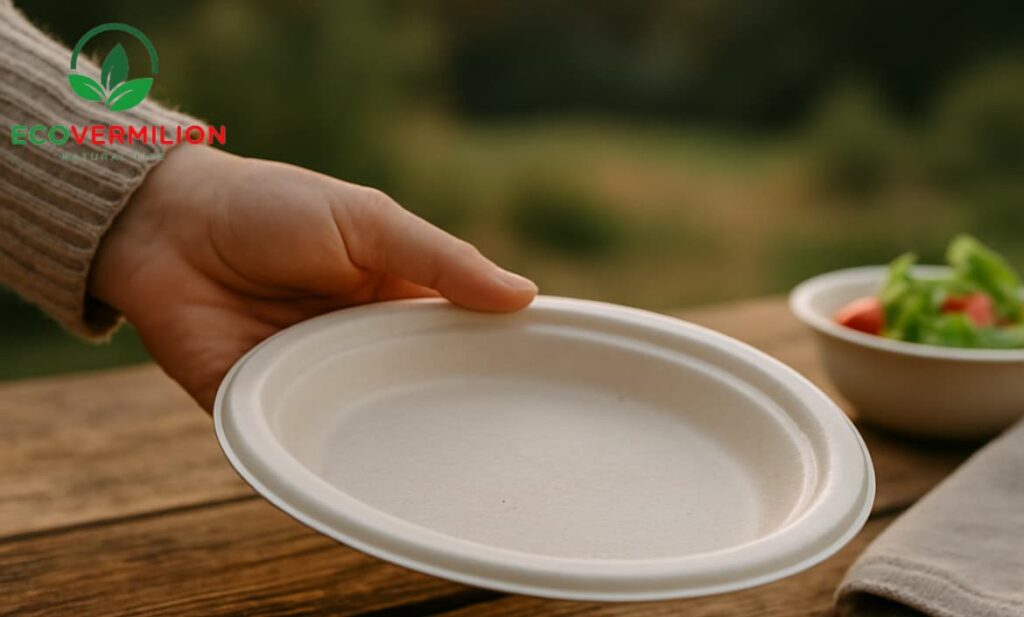
Eco-Friendly Food Packaging: How to Reduce Waste Without Compromising Hygiene?
Eco-Friendly Food Packaging: How to Reduce Waste Without Compromising Hygiene? Eco-Friendly Food Packaging: How to Reduce Waste Without Compromising Hygiene? In a world where sustainability is no longer a choice but a necessity, the foodservice sector—whether restaurants, caterers, hotels, or event services—is increasingly urged to rethink its packaging practices. The core question is this: Can we truly reduce waste without compromising hygiene or service efficiency? The answer is yes—if the right products are chosen. Why Rethink Food Packaging? For years, single-use plastic packaging has dominated fast food and takeaway services. However, the environmental impact is now well-documented: soil and ocean pollution, CO₂ emissions, and the accumulation of non-biodegradable waste. New European regulations, such as the SUP Directive (Single Use Plastics), are pushing professionals to explore greener alternatives. Eco-Friendly Materials: A Practical Solution Today, compostable, biodegradable, and recyclable solutions exist that do not compromise food safety or usability. Materials like sugarcane bagasse, bamboo, and certified cardboard offer excellent heat resistance, are microwave-safe and suitable for liquids, and meet strict hygiene standards. Take bagasse, for example—a natural byproduct of sugar production. It’s transformed into sturdy, elegant food containers that are compostable in under 90 days. It’s a flagship material used by committed brands like Ecovermilion, which blends quality, aesthetics, and eco-responsibility. Hygiene and Food Safety: No Compromises A common myth persists: eco-friendly packaging is less hygienic or less durable. In reality, certified products comply with the highest European standards. They are designed to prevent leaks, withstand heat, and ensure optimal food preservation. In the post-pandemic era, customers are more concerned than ever about cleanliness and safety. Eco-friendly disposable solutions enable hygiene and sustainability to go hand in hand—no compromise necessary. What’s in It for Professionals? Switching to eco-friendly packaging is not just about following a trend—it’s about getting ahead of the market: Lower waste management costs: Compostable packaging reduces the volume of non-recyclable waste. Stronger brand image: Today’s consumers are increasingly value-driven. Showing your commitment to sustainability builds loyalty and attracts new customers. Easier access to public tenders: More public institutions now require strict environmental criteria. Compliance with future EU regulations: Staying ahead of legislation helps businesses remain competitive and avoid penalties. Logistics Shouldn’t Be a Barrier One of the main concerns is logistics—managing inventory and delivery times. That’s why Ecovermilion offers optimized logistics with 24/48-hour delivery across France and more than 30 product references permanently in stock. This gives professionals flexibility to order without facing stockouts or overstocking. One Simple Choice, Long-Lasting Impact Ultimately, choosing eco-friendly food packaging is a smart decision. It meets consumer expectations, respects the planet, and enhances your business performance. Growing Consumer Demand Consumer behavior is changing fast. Recent studies show that over 70% of restaurant customers are willing to pay slightly more for environmentally friendly products. This shift in mindset presents a unique opportunity for foodservice professionals. By integrating eco-friendly packaging into their operations, they’re not just meeting regulatory requirements—they’re addressing a real market demand. It’s a chance to turn a challenge into a competitive advantage. Reducing waste without compromising hygiene is not only possible—it’s strategic. With the right partners and the right materials, it’s entirely achievable to combine responsibility, efficiency, and style in the foodservice industry. 🔗 Explore the Ecovermilion range: www.ecovermilion.com📩 Contact us for a personalized quote tailored to your professional needs.
Eco-Friendly Food Packaging: How to Reduce Waste Without Compromising Hygiene? Read More »
